


Protect our children's play-space, our heritage, and the heart of Blackheath. Act now before it's too late.
Act Now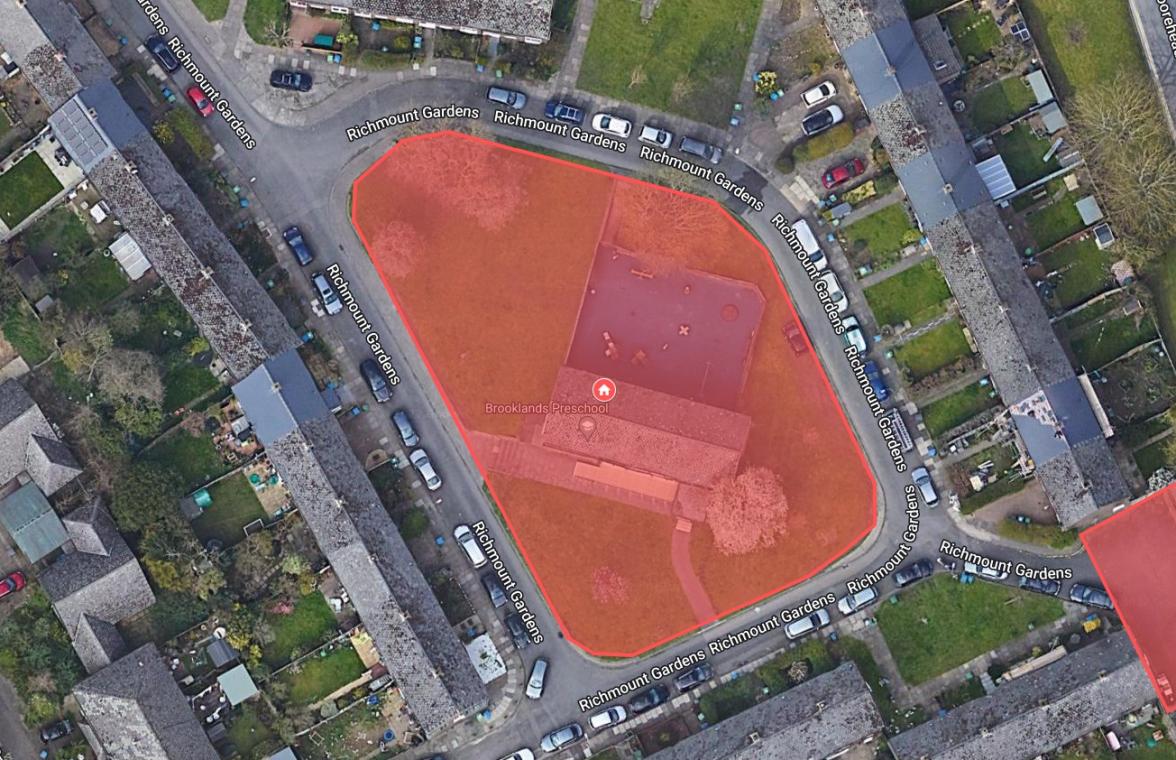
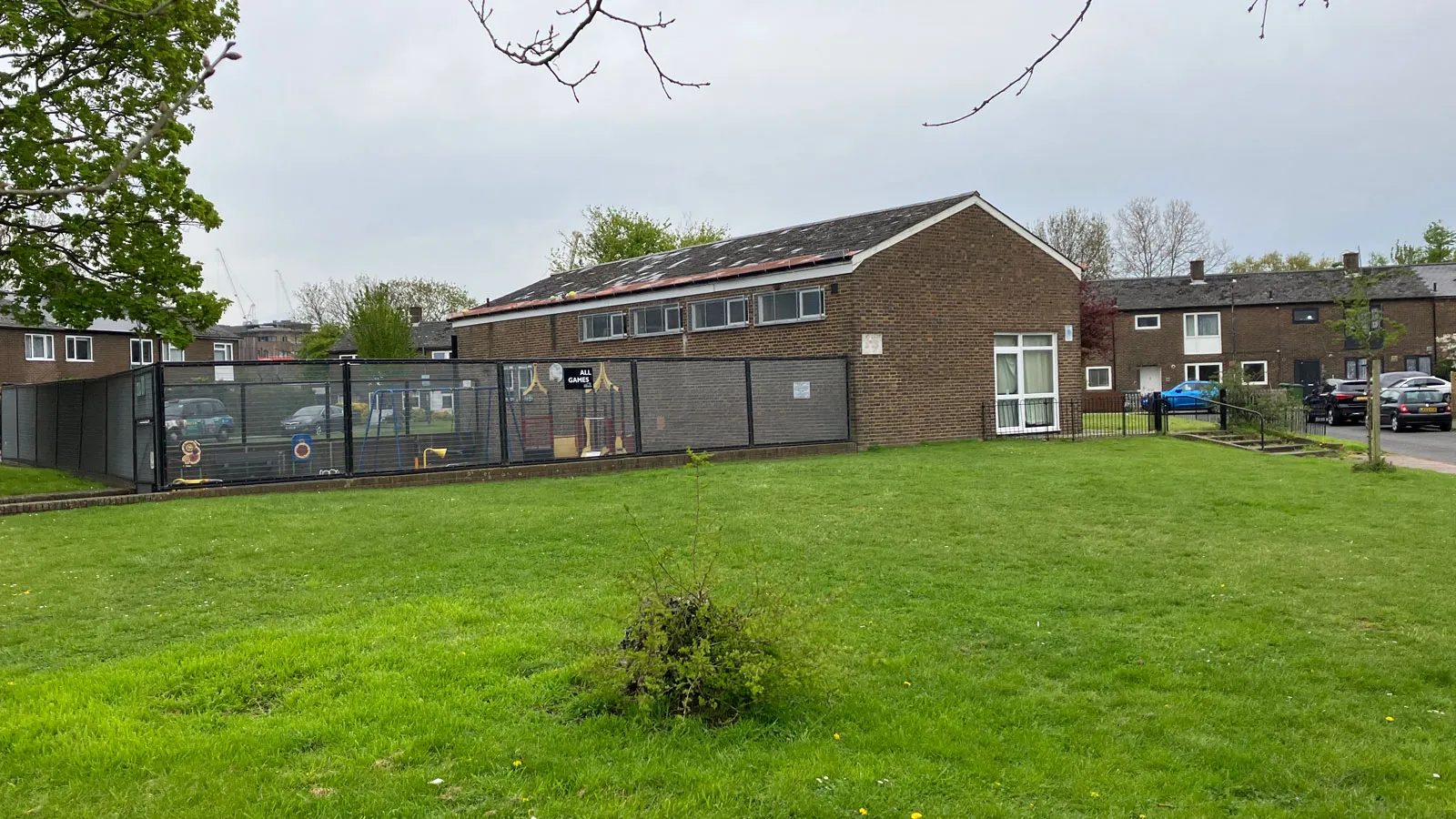
Richmount Gardens was born in 1958, at the height of post-war optimism when London County Council built red-brick social homes to house working families in dignity and safety. At the centre of the estate was a green space—1,262 square metres of open grass—encircled by homes and crowned by a purpose-built community hall. This wasn’t an accident of planning; it was the heart of the community.
In 1972, the neighbourhood was formally designated part of the Blackheath Conservation Area under the Civic Amenities Act. That designation wasn’t symbolic—it was legal recognition of this estate’s importance to the cultural fabric of SE3. The gaslamp-style posts, mature trees, and low-rise geometry reflected a design ethos lost in modern infill.
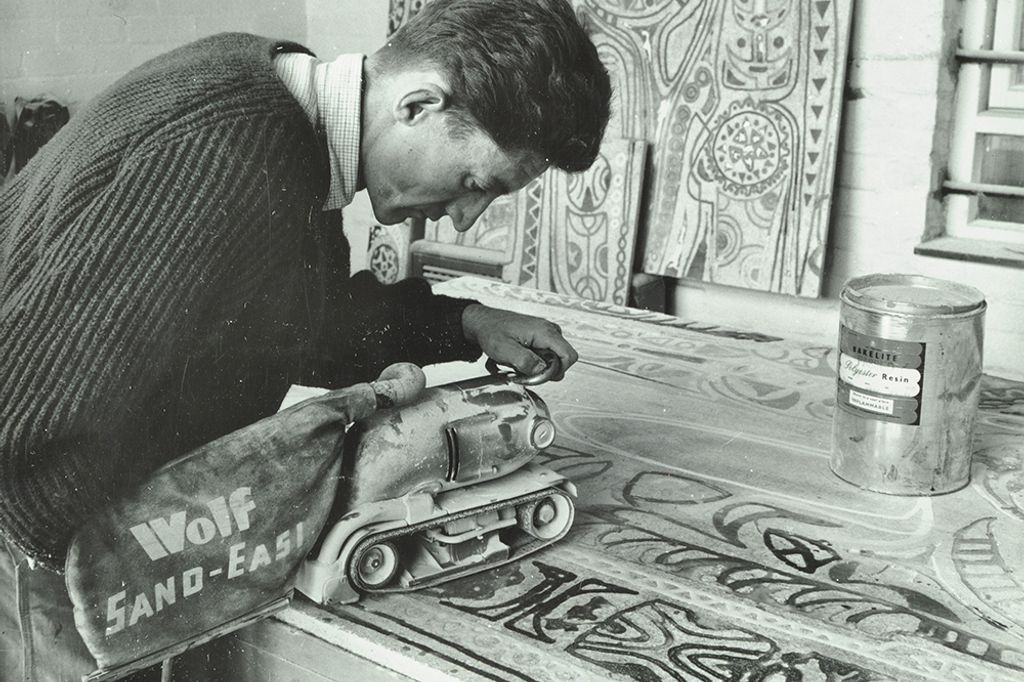
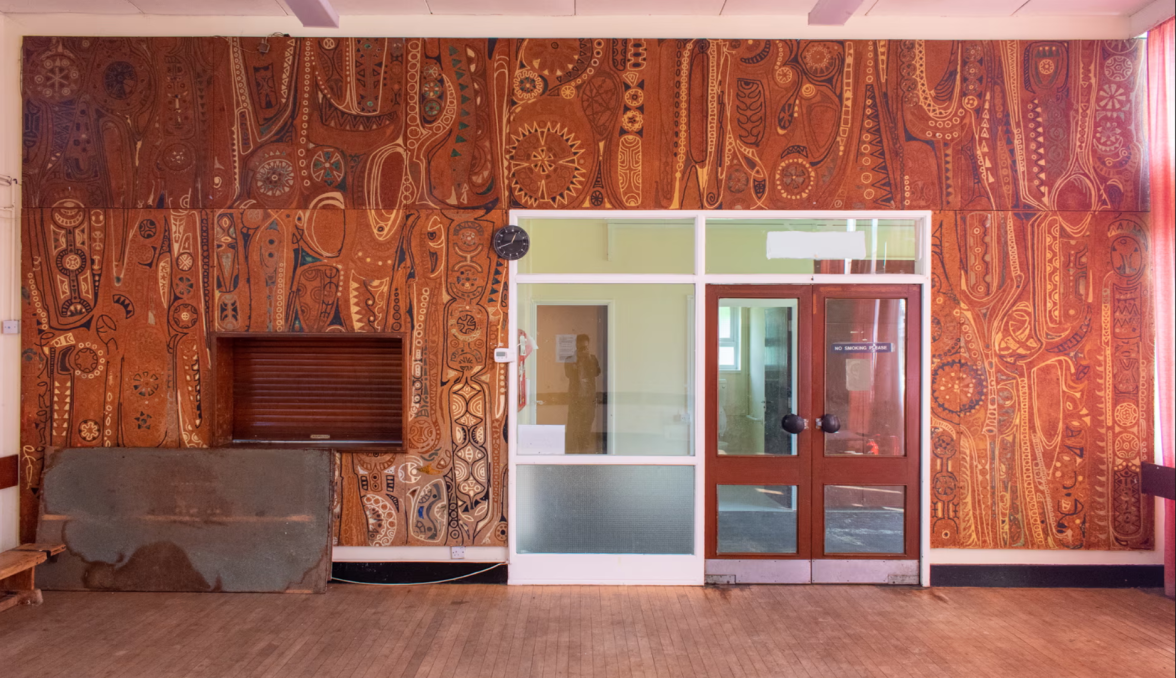
Atop the hall stands a William Mitchell mural, carved in 1961. Mitchell’s public artworks appear on Grade II-listed buildings across the UK. Here, he designed a looping interlace of community: a piece that art historians and the Twentieth Century Society have called “nationally significant.” Yet the Council’s proposal offers no binding guarantee to preserve it. Under NPPF §199, this failure to secure in-situ protection constitutes harm to a non-designated heritage asset.
What’s more, a Section 37 covenant dating back to the Town and Country Planning Act 1947 specifically restricted this green from residential development. That covenant may no longer appear in modern planning portals—but it remains enforceable, as per R (Smith) v Greenwich, where High Court judges reaffirmed local rights over legacy public land.
“I learned to swim here, I learned to dance, I learned to campaign.” — Jean Clark, age 78, lifelong Richmount resident
This isn’t a forgotten patch of grass. It’s the last remaining civic lung of a post-war promise. Bulldozing it for six new homes is not progress. It’s an erasure.
The removal of Richmount Gardens’ green space would cut play-space from 15 m² to just 2 m² per child—a staggering drop of over 85 %. This directly violates the London Plan S4(2), which mandates no net loss of play-space within 100 metres of a home.
According to Public Health England, children in neighbourhoods with under 9 m² of public green per child show 15% higher rates of obesity and 22% greater likelihood of anxiety diagnoses. The Royal College of Paediatrics confirms this: proximity to green is linked to lower cortisol levels, improved social cohesion, and sharper attention spans.
But numbers don’t tell the full story. For dozens of families on the estate, the green and the hall form part of structured routines for autistic and special-needs children. Weekly activity groups, safe sensory space, and consistency of location are all clinically recommended by CAMHS (Child and Adolescent Mental Health Services).
With no like-for-like replacement hall or enclosed green provided, these children lose not just grass, but a part of their therapeutic and developmental safety net. Disrupting this routine risks regression, social isolation, and long-term harm.
“My son is non-verbal autistic. Every Tuesday, his support worker takes him to the sensory sessions behind the hall. That routine helps him sleep. If you destroy this, what replaces it?” — Farah A., mother of 9-year-old Yusuf
Disabled access is not a bonus—it’s a right. The Equality Act 2010 requires councils to anticipate the needs of disabled residents, not react after the damage is done. Yet no Equality Impact Assessment (EqIA) has been published alongside this scheme.
The Council’s proposed ‘off-site contribution’ of £60,000 for play is not ringfenced, nor is it guaranteed to serve the Richmount community. It does nothing for a child with autism who can no longer cope with the crowds at Kidbrooke’s busier facilities.
For many of our most vulnerable children, this is not a green. It is a haven. And once gone, it cannot be rebuilt in a spreadsheet.
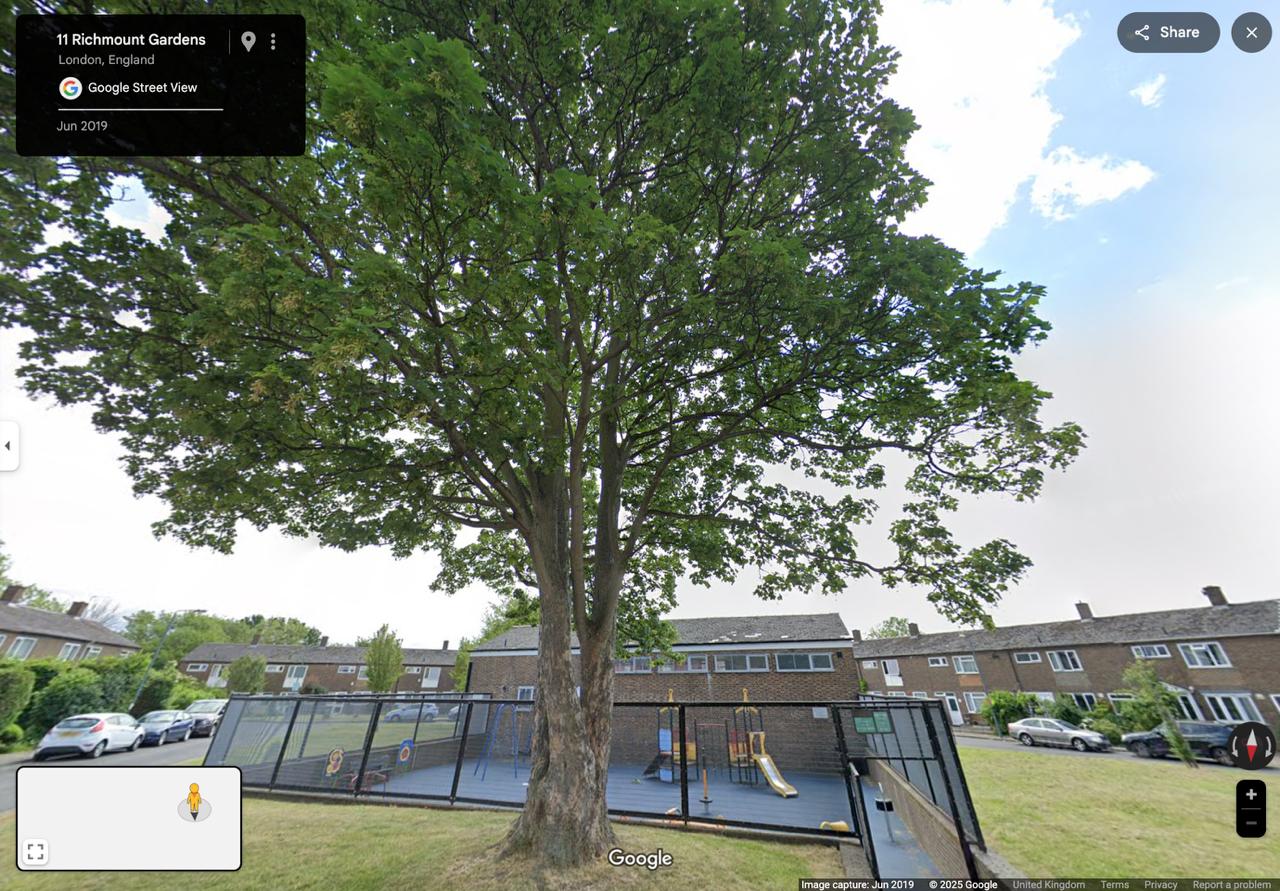
Urban greenery does more than look good—it keeps us alive. The Council’s approved plan would remove two mature London Plane trees and over 1,262 m² of unpaved green space. According to the GLA’s i-Tree Eco urban forest study, trees of this age and size can sequester 0.9 tonnes of CO₂ each per year, filter particulate matter (PM2.5), and reduce neighbourhood temperatures by up to 4°C during summer months.
Destroying these trees for six terraced homes will not just eliminate this function—it will take decades for any new saplings to recover that environmental benefit. By 2050, London is projected to have over 30 days a year of 32°C+ heat. We are cutting down our natural air conditioning.
Beneath the grass, a thriving layer of biodiversity vanishes. Urban foxes, starlings, ground beetles, pollinators—all indicators of healthy city ecosystems—have been observed by residents over the years. The ecological survey submitted with application 23/0890/F was conducted in November, when many species are dormant. That alone undermines its validity under Natural England survey guidelines.
“One mature tree cools the air as much as 10 room air conditioners running 20 hours a day.” — US EPA Climate Study, 2019
Replacing this loss with a few potted shrubs on balconies is not mitigation. It is greenwashing. The GLA’s Urban Greening Factor requires a serious like-for-like canopy replacement, not token landscaping.
In a borough that has declared a climate emergency, to allow this level of environmental regression—on Council-owned land—is hypocrisy of the highest order.
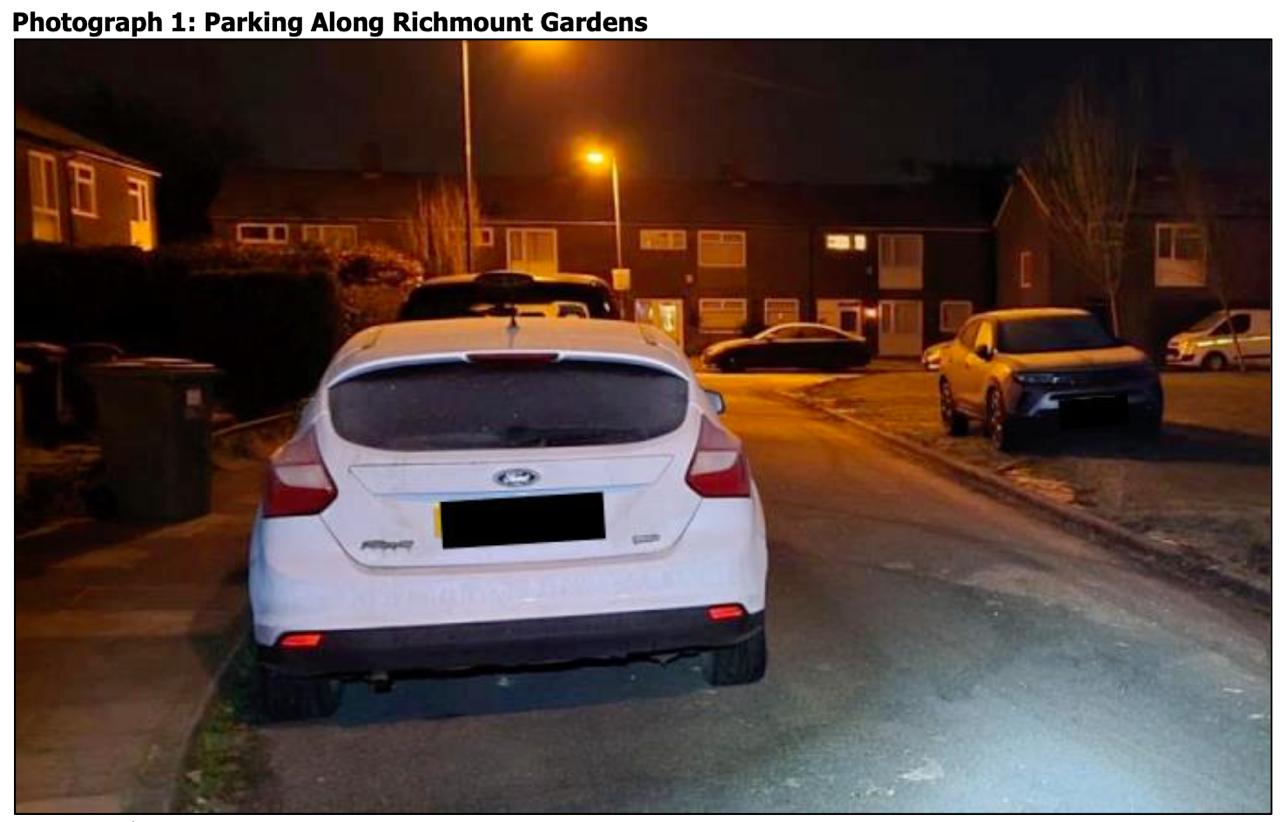
An independent 2023 report by Roberts Highway Consultants confirms what every resident already knows: Richmount Gardens is chronically over-parked. Out of 43 dwellings, only 5 have off-street spaces. The rest rely on street parking, leaving no room for safe two-way movement.
Their findings show that existing congestion forces drivers to mount kerbs just to pass — with dial-a-ride buses for disabled residents regularly stuck or forced onto footways. The proposed development adds 19 more vehicles but only 9 parking spaces, while demolishing 8 existing garages.
The result: a net parking loss, more conflict, and a worsening safety crisis for pedestrians and emergency access.
“Drivers are mounting the kerb and driving across grass to pass. It’s dangerous, chaotic, and only getting worse.” — Independent Highway Report, April 2023
The report concludes that this proposal should be refused on highway safety grounds unless proper traffic, access, and pedestrian safety solutions are introduced. No such plans currently exist.

By 8pm on any given weekday, Richmount’s streets are saturated. A survey conducted by residents on 5 evenings in March 2025 found 92% parking occupancy across adjacent roads—far exceeding the 80% “stress” threshold used by TfL and the GLA.
Despite this, the Council’s planning approval includes no off-street parking provision for the new homes, nor any plan to extend the Controlled Parking Zone (CPZ) to absorb the extra demand. This directly contradicts London Plan Policy T6, which requires assessment and mitigation where development adds to local car dependency.
For elderly or disabled residents attending community hall events—or simply trying to reach their homes—this isn’t just inconvenient. It’s unsafe. Blue Badge holders often park hundreds of metres away, pushing wheelchairs or walking frames through poorly lit cut-throughs just to reach the front door.
“I’m 84. I use a rollator. There’s no space on this street after 6pm. My daughter has to drop me on the curb while she drives around hoping someone leaves.” — Margaret S., resident since 1971
The Planning Report dismisses these concerns by citing “future car-free culture” goals. But these homes are not car-free certified. No CPZ is guaranteed. No drop-off bays are added. It’s lip service with no infrastructure.
In a borough that boasts about sustainability, it’s alarming to see such a car-centric blind spot—especially when better parking controls are standard across Greenwich. We are not asking for privilege. We’re asking for parity.

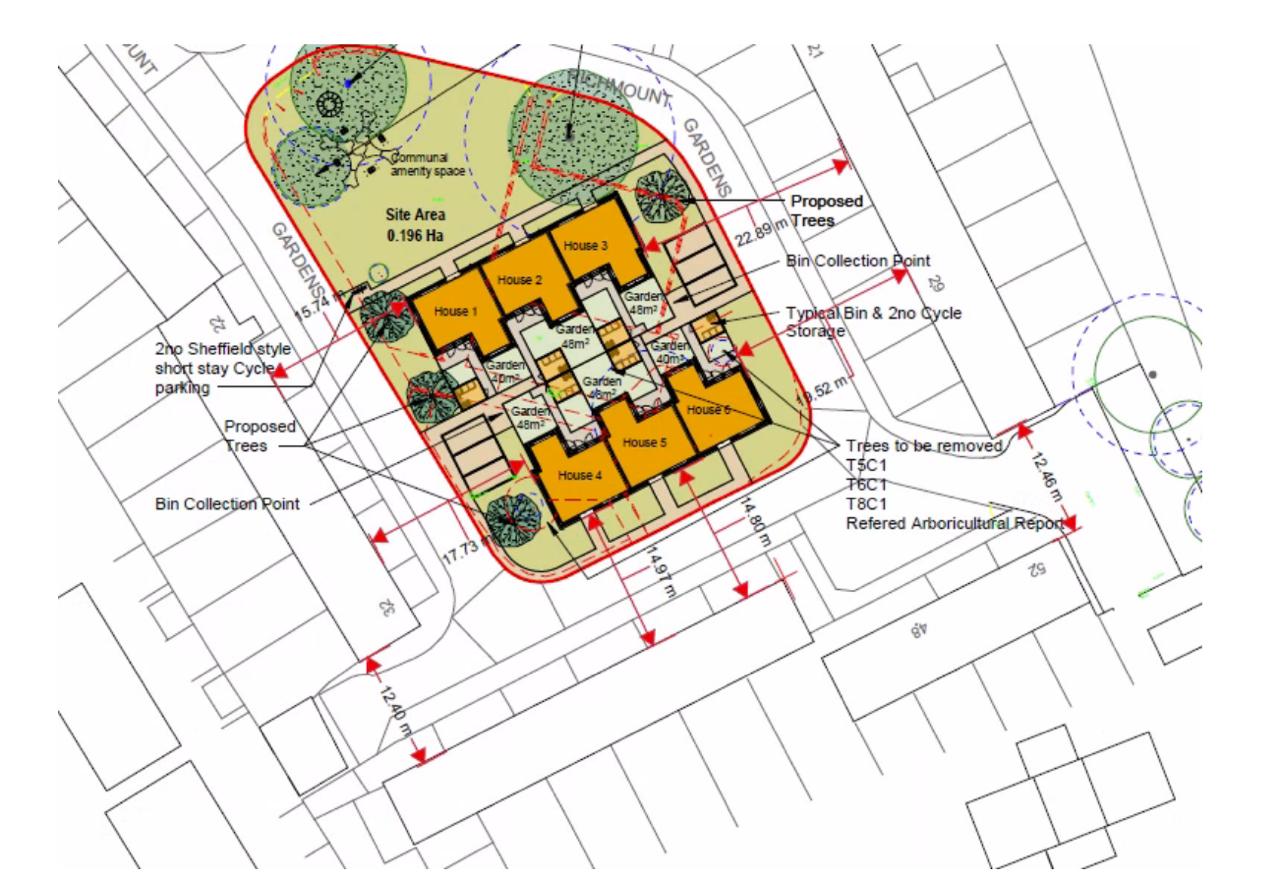
For the residents whose flats flank the proposed development, the price isn’t abstract—it’s measured in shadow. The new homes will sit just 11 metres from existing bedroom windows, directly violating the 25° daylight angle guideline outlined in the BRE Site Layout Planning for Daylight and Sunlight standards.
The loss of direct light is more than an architectural footnote. Sunlight affects circadian rhythms, vitamin D synthesis, and even seasonal mood. NHS data links insufficient daylight exposure with heightened rates of depression, especially among older adults and those with limited mobility.
Overlooking is another overlooked harm. Balconies on the proposed units would directly face the windows of existing homes across less than 12 metres of space. The Royal Borough’s own design guidance recommends at least 18–21 metres of separation to protect privacy and dignity. This design ignores it.
“We’ve lived in peace here for 30 years. Now we’ll have strangers watching us make breakfast.” — Tony & Neelam, Richmount tenants since 1994
The Daylight and Sunlight Assessment submitted by the applicant is based on average sky conditions—not seasonal low-angle light, which is critical for ground-floor units. It fails to simulate midwinter shadows or worst-case scenarios.
No shading models, no mitigation plans, no privacy screens. In a conservation area where dignity and light once framed the design, this is a betrayal of both architecture and trust.
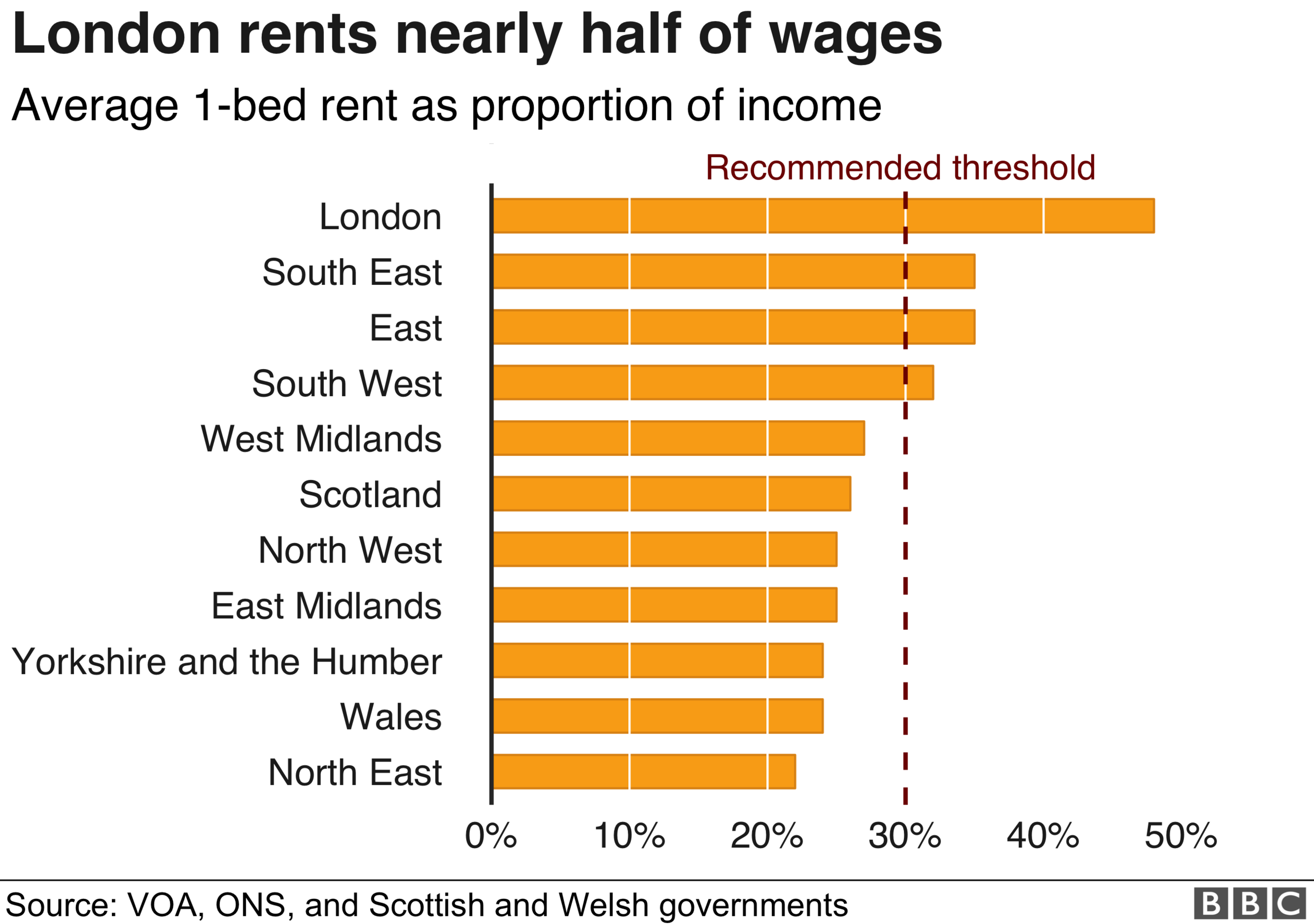
The six new houses proposed for Richmount Gardens are labelled “London Affordable Rent” — a designation that sounds generous until you read the fine print. In 2025, the benchmark rent for a 3-bedroom London Affordable unit is £232 per week. Compare that to the Local Housing Allowance for this borough: £197 per week.
In short, these homes are not affordable to those on Universal Credit or Housing Benefit — the very residents who built this community and depend on it.
Meanwhile, less than half a mile away, Berkeley Homes has invested over £1 billion developing Kidbrooke Village: a glittering expanse of apartments, showrooms, and manicured lawns. Royal Borough of Greenwich reaped windfalls from Section 106 contributions tied to that mega-development.
If social equity truly guided policy, those receipts would fund play-spaces and halls for communities like Richmount. Instead, public land is being sold out piecemeal under the banner of “affordable” supply — supply that does not serve the local wage base.
“They built paradise next door and fenced us off from it. Now they want our only green too.” — Anonymous Richmount resident
Worse still, these new homes are not guaranteed to remain at social rent levels indefinitely. Without binding Section 106 clauses indexed for perpetuity, future staircasing, shared ownership conversions, or private sales could erode even that limited affordability.
True regeneration means lifting all boats — not sinking one community to gild another.
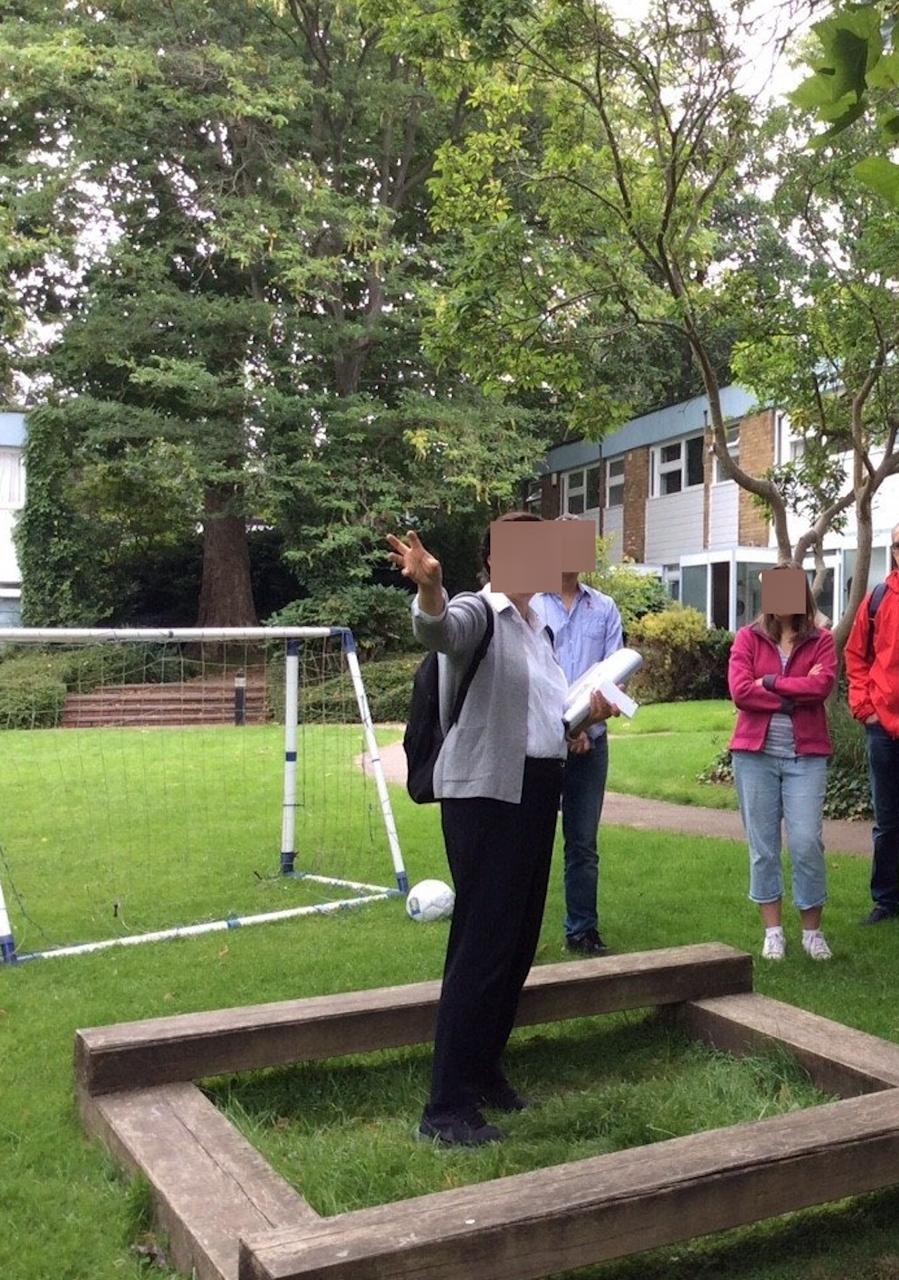
Statistics and planning statements tell part of the story. But the beating heart of Richmount Gardens is — and always has been — its people. Families who arrived here in the 1960s with small children. New migrants who found their first sense of belonging here. Pensioners who have walked these paths for forty years.
“Without the hall, I wouldn't have learned English. I wouldn't have found a job. That hall gave me a future.” — Sara A., former ESOL student, Richmount resident since 1982
For children with autism, this green isn’t just another patch of grass — it’s part of their daily structured therapy. For elderly residents, the hall is not just a building — it’s a shield against isolation, a bridge to community connection, a lifeline.
NHS England research shows that social isolation increases mortality risk by 29% in older adults. Removing safe, walkable green and hall spaces accelerates that crisis invisibly, until the costs appear later in A&E wards and care homes.
“I used to run the toddler music mornings here. Five quid a month to give mothers a lifeline. Where are they supposed to go now? Starbucks?” — Teresa W., community volunteer
The Planning Board minutes may reduce us to numbers: “6 dwellings approved.” But every blade of grass paved over buries decades of untold stories — of small kindnesses, second chances, and safe beginnings.
Richmount Gardens is not surplus land. It is living heritage. Its people are not obstacles to planning — they are the reason planning laws exist.
The plans for Richmount Gardens have been deeply flawed from the start — revised repeatedly without proper community consultation or clear updates to the public planning portal. This lack of transparency, coupled with shifting proposals and quiet condition changes, reflects a troubling pattern of misleading and deceptive conduct by the Council. Residents have been kept in the dark while decisions affecting their homes, health and heritage are quietly pushed forward.
Under Section 15 of the Commons Act, residents can apply to register land as a Village Green if it has been used “as of right” by a significant number of local inhabitants for lawful sports and pastimes for over 20 years.
Registration freezes development and gives community rights of continued access. Similar victories: Coatham Common (Redcar) and Long Meadow (Essex).
Where planning approvals violate local or national policy — such as ignoring play-space needs (London Plan S4) or conservation harm (NPPF §199) — communities can file for Judicial Review. Councils must then defend their decision in court under the glare of legal standards.
Notable reversals: Holborn Studios v Hackney (2020) and Friends of the Earth v Heathrow Expansion (2020).
By nominating the green and hall as an ACV, residents can trigger a statutory six-month moratorium if the Council tries to sell the land — buying critical time for political and legal challenges.
“Village greens are not lost overnight. They are lost when communities stay silent.” — Open Spaces Society
Silence is not an option. Every parent, pensioner, and child at Richmount is a living reason to fight — legally, politically, and morally.
Every email, every share, every conversation strengthens our voice. Here’s how you can help protect the heart of our community:
Use our 1-Click Email Tool to send a letter to decision-makers instantly.
Send EmailForward the QR code to friends, neighbours and local groups. Every new voice counts.
📲 Share on WhatsAppMeet us on the green!
Next Rally: May 2025
📈 Live Counter: [Loading...] voices already raised.
Questions? Media enquiries?
Contact us at action@rmgr.uk